




Symbolic imagery has always played an important role in illustration. A single figure, motif, or gesture can carry layers of meaning without needing a long explanation. Artists often use symbols to create atmosphere, narrative, or emotional tension inside an image.
In contemporary illustration, symbolic art frequently moves across different formats. The same artwork can appear as a poster, a wearable design, or even a digital collectible. Instead of existing in only one medium, the illustration becomes the core element that connects physical and digital forms of art.
For independent artists, this flexibility allows imagery to travel beyond the studio while remaining part of the same visual language.
The Role of Symbolism in Illustration
Symbolic illustration relies on visual elements that suggest meaning rather than stating it directly. Eyes, masks, animals, geometric forms, or ritual-like figures can all function as symbols depending on how they are placed within a composition.
This approach is common in surreal and lowbrow art, where images often feel slightly mysterious or open to interpretation. Rather than explaining a message explicitly, the artwork invites the viewer to sit with the image and develop their own reading of it.
Because of this ambiguity, symbolic illustration often remains visually engaging over time.
-
-
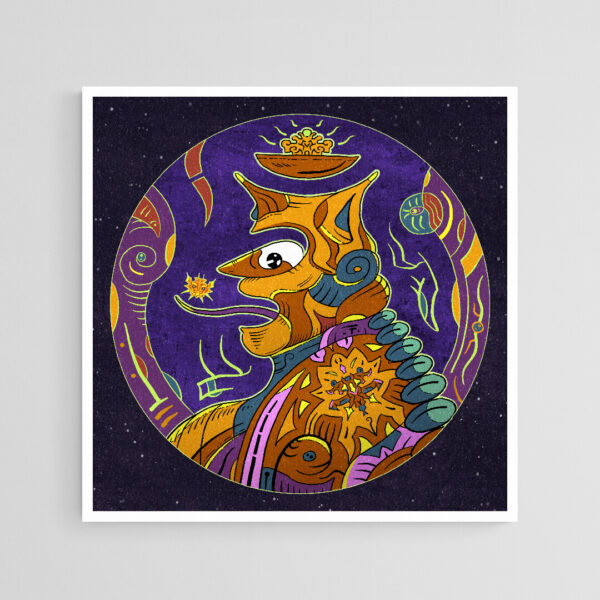
God Krahhin – Art Poster
- Price range: €18.00 through €27.50
-
-
-
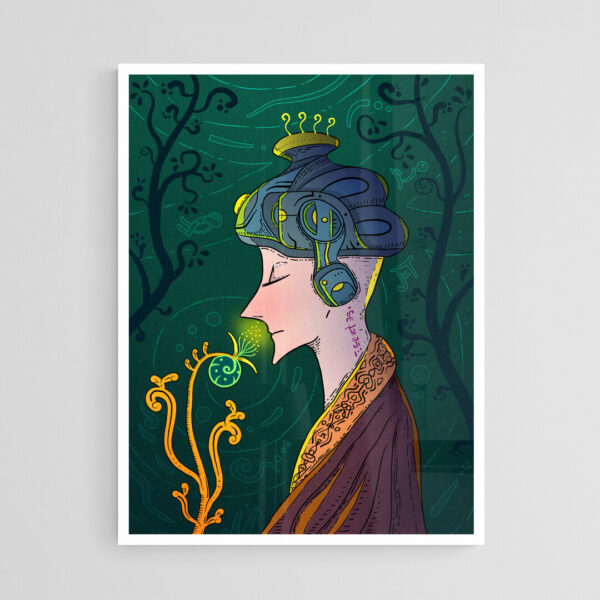
Flower – Art Poster
- Price range: €24.50 through €29.00
-
-
-
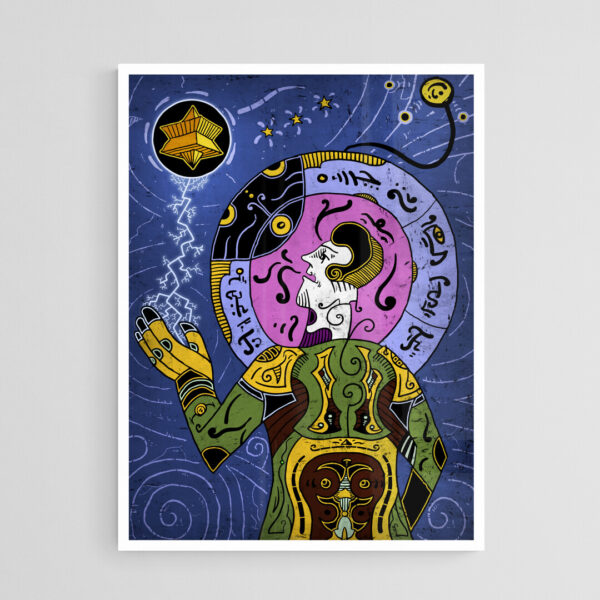
Incal – Art Poster
- Price range: €24.50 through €29.00
-
Symbolic Art as Posters and Prints
One of the most natural formats for illustration is the poster. Posters allow artwork to exist as an everyday object while preserving the integrity of the original image.
Strong symbolic compositions translate particularly well into poster design. Clear shapes, high contrast, and balanced visual structure allow the image to remain readable even from a distance.
Sotuland’s illustrated poster series follows this approach, presenting symbolic and surreal imagery as collectible art prints.
Explore the poster collection:
When Illustration Becomes Wearable Art
Illustration does not have to remain on the wall. Many artists translate their artwork into wearable forms such as t-shirts and garments.
When done carefully, the artwork remains the central focus rather than becoming a decorative graphic. The design is adapted for fabric while preserving the composition and visual identity of the original illustration.
This idea of shirt art treats clothing as a portable canvas where imagery moves through everyday environments.
Explore Sotuland’s art t-shirt collection.
-

-
The Great Eye – Black & White Art Poster
- Price range: €17.00 through €25.00
-
-

-
Totem – Black & White Art Poster
- Price range: €17.00 through €25.00
-
-

-
Wind Whisperer – Black & White Art Poster
- Price range: €17.00 through €25.00
-
Symbolic Art in NFT Form
Digital art editions have added another dimension to illustration. NFTs allow artists to release works as verifiable digital collectibles while maintaining a direct connection to the original artwork.
For illustrators, NFTs often function similarly to limited prints or poster editions. The artwork remains the central object, while the digital format allows collectors to own and display it in new ways.
Some Sotuland illustrations are also available as NFT artworks on the Tezos blockchain.
Explore the digital collection:
Sotuland NFT art collection on Tezos
Building a Visual World Across Formats
When an artist works consistently with symbolic imagery, the artwork begins to form a recognizable visual language. Posters, wearable pieces, and digital editions all become part of the same artistic universe.
Instead of separate products, these formats function as different ways of experiencing the same ideas.
A collector might encounter the artwork as:
- a framed poster
- a t-shirt design
- a digital NFT edition
Each format expands how the illustration can exist in everyday life.
Conclusion
Symbolic art allows illustration to remain open, atmospheric, and visually memorable. By translating the same imagery into posters, wearable designs, and digital editions, artists create a continuous visual practice that moves between mediums.
For independent illustrators, this approach keeps the focus on the artwork itself. The medium may change, but the core language of symbols, composition, and narrative remains the same.