




Symbolic illustration uses imagery to communicate ideas that go beyond literal representation. Instead of presenting a direct narrative, symbolic artwork invites viewers to interpret shapes, characters, and objects as visual metaphors.
This approach has long been part of artistic traditions, but it has become especially visible in modern surreal and lowbrow art. In these styles, unusual characters, mysterious symbols, and dreamlike scenes combine to create illustrations that feel open to interpretation.
Rather than explaining everything clearly, symbolic illustration leaves space for the viewer’s imagination.
What Is Symbolic Illustration?
Symbolic illustration is artwork built around imagery that represents ideas, emotions, or concepts indirectly. A symbol may stand for something larger than the object itself.
For example:
- an eye may represent awareness or perception
- animals may symbolize instinct or transformation
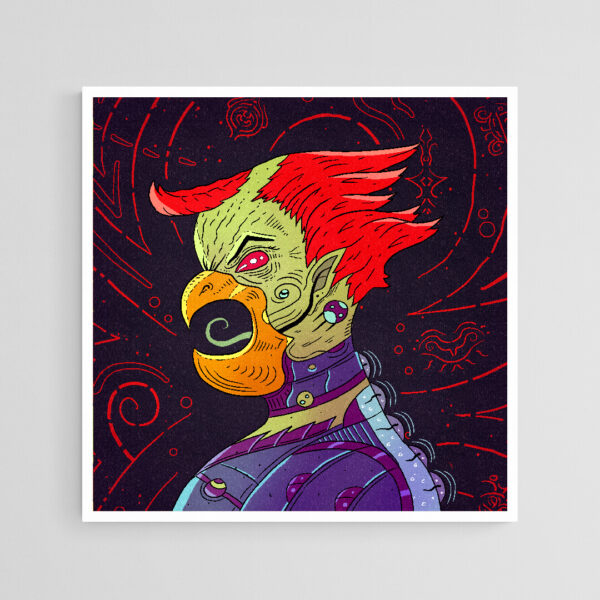
- masks may represent identity or hidden personality
- strange figures may represent internal thoughts or dreams
Because these symbols are not explained directly, each viewer may interpret the artwork in slightly different ways.
This ambiguity is part of what makes symbolic illustration compelling.
Examples of Symbolic IllustrationS


Symbolism in Surreal and Lowbrow Art
Symbolic imagery is especially common in surreal art and lowbrow illustration. These movements often combine fantasy, humor, and psychological themes with recognizable visual symbols.
Surreal compositions frequently feature unexpected combinations of objects and characters. These elements are not random — they create associations that encourage interpretation.
Lowbrow art, which grew from underground comics and alternative culture, also embraces symbolism through exaggerated characters, strange narratives, and playful visual metaphors.
Together, these influences create a visual language where illustration becomes both storytelling and symbolic exploration.
Why Artists Use Symbolic Imagery
Artists often use symbolic imagery because it allows a single image to carry multiple layers of meaning. A symbol can suggest ideas without explaining them directly.
This creates a deeper relationship between the artwork and the viewer.
Instead of receiving a fixed message, viewers participate in the interpretation of the image. Over time, they may notice new elements or reinterpret the symbolism differently.
This quality makes symbolic illustration particularly well suited for formats that people encounter repeatedly, such as posters, prints, or wearable designs.
Symbolic Illustration in Posters
Poster art has long been a natural home for symbolic imagery. A strong central figure or motif can communicate mood and meaning quickly while still allowing deeper interpretation.
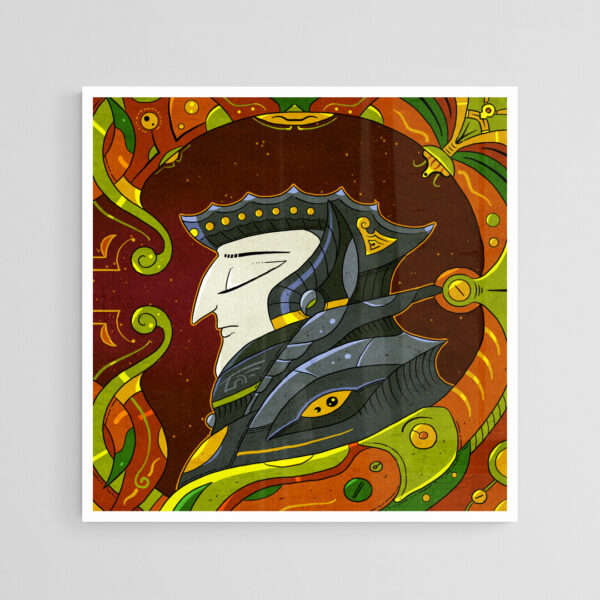
Surreal posters often rely on bold shapes, unusual characters, and symbolic elements that remain visually striking from a distance while revealing more detail up close.
Explore Sotuland’s illustrated poster collections:
These works often combine surreal illustration with symbolic motifs to create images that function both as visual decoration and as narrative artwork.
Popular Symbolic IllustrationS From Sotuland
-
-
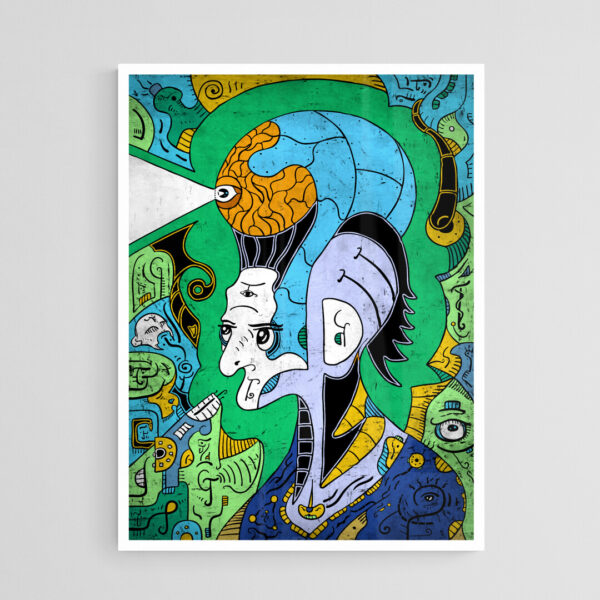
Brain – Art Poster
- Price range: €24.50 through €29.00
-
-
-
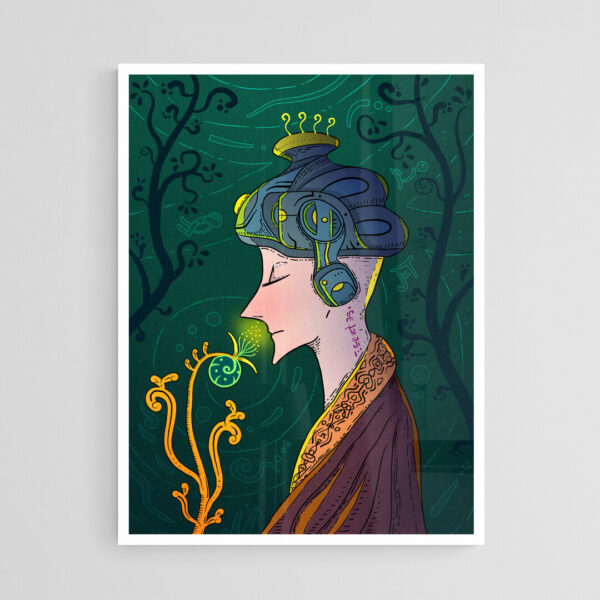
Flower – Art Poster
- Price range: €24.50 through €29.00
-
-
-
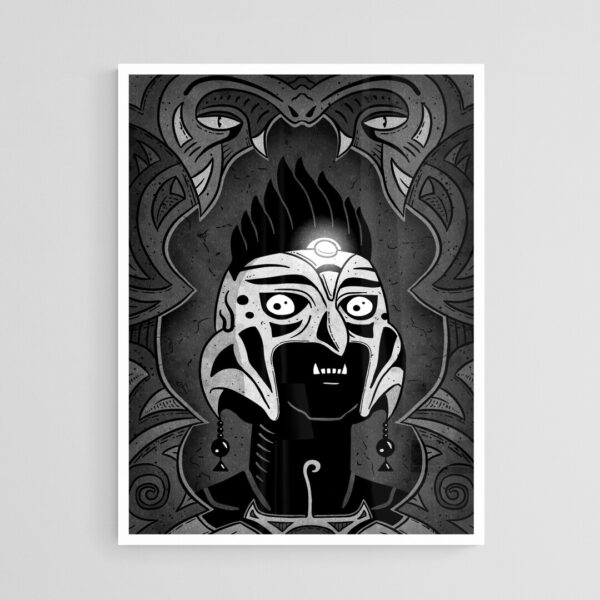
Vampire – Art Poster
- Price range: €24.50 through €29.00
-
-
-
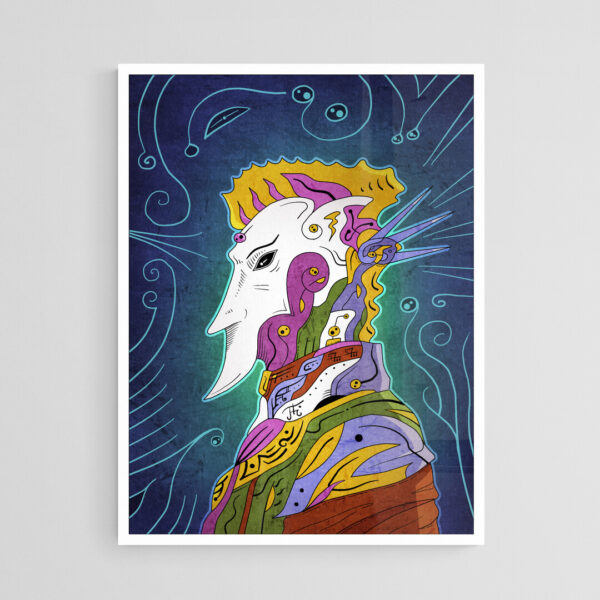
The Phantom – Art Poster
- Price range: €24.50 through €29.00
-
-
-
Visitor – Art Poster
- Price range: €18.00 through €27.50
-
-
-
Angry Bird – Art Poster
- Price range: €18.00 through €27.50
-
Symbolic Illustration as Wearable Art
Illustration is no longer limited to framed prints or gallery walls. Many artists now adapt their symbolic imagery into wearable formats such as t-shirts.
When an illustration moves from paper to clothing, it becomes a form of everyday visual expression. Symbols that once appeared only in artwork can now exist in daily life through wearable design.
Sotuland explores this idea through illustration-driven shirts that treat clothing as a canvas for surreal and symbolic imagery.
You can explore this concept further in the article:
Art on T-Shirts: Illustration as Wearable Art
The Role of Interpretation in Symbolic Art
One of the most important qualities of symbolic illustration is that it avoids rigid explanations. The meaning of an image often changes depending on the viewer’s experiences, interests, or cultural background.
Because of this, symbolic artwork often feels personal. Two people may look at the same illustration and notice completely different details.
This openness allows the artwork to remain interesting over time. Instead of delivering a fixed message, the illustration becomes something that viewers continue to explore.
Conclusion
Symbolic illustration transforms images into visual metaphors. Through surreal characters, symbolic objects, and unexpected compositions, artists create artwork that invites interpretation rather than providing a single clear answer.
This approach appears across many formats today, from illustrated posters to wearable art. By combining symbolism with strong visual storytelling, symbolic illustration continues to shape contemporary surreal and lowbrow art.
For viewers and collectors alike, these images remain compelling because they allow imagination and interpretation to remain part of the artistic experience.