




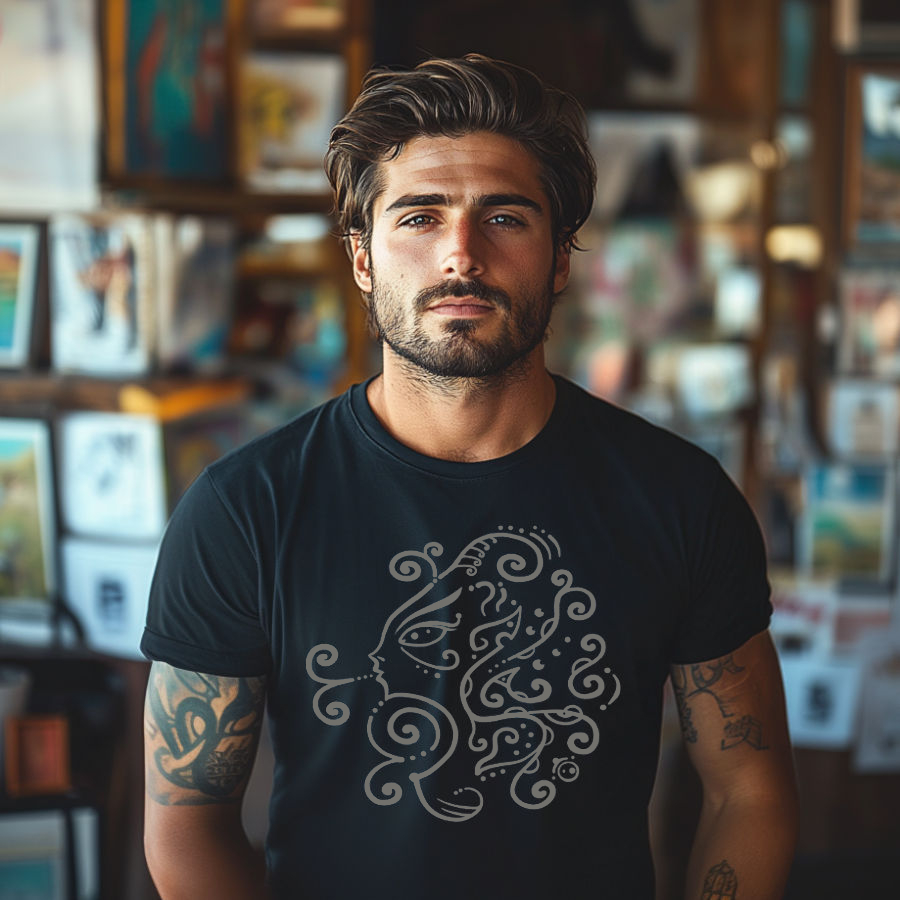
People who are drawn to lowbrow art and pop surrealism rarely choose clothing based on logos or brand visibility. Instead, they are more likely to wear artist t-shirts, where the design itself carries meaning, symbolism, and visual identity.
This difference is not only about style. It reflects a different relationship between the wearer and the clothing. In one case, the shirt represents a brand. In the other, it represents an image, an idea, or a piece of artwork.
If you want to understand how illustration becomes part of clothing, start here:
Art on T-Shirts: Illustration as Wearable Art
From Logos to Visual Identity
Logos are designed for recognition. They are simple, repeatable, and tied to brand identity. Wearing a logo often means associating yourself with a company or a lifestyle.
Artist-designed shirts work differently.
Instead of promoting a brand, they present an image. The focus shifts from recognition to interpretation. A surreal figure, symbolic object, or abstract composition creates a different kind of connection — one that feels more personal and less commercial.
Many people searching for shirts designed by artists are looking for this exact shift.
Shirts Designed by Artists: Wearable Art by Independent Creators
Popular Artist T-Shirts By Sotuland
-

-
Wind Whisperer T-Shirt
- €19.00
-
-
-
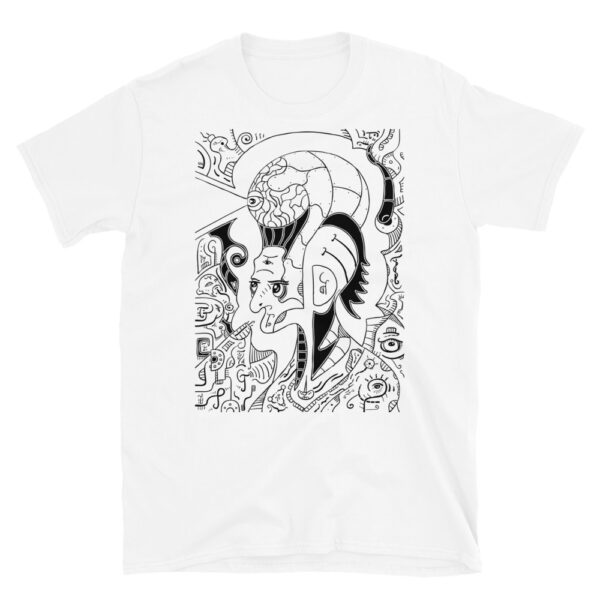
Brain T-Shirt
- €19.00
-
-

-
Skullz T-Shirt
- €19.00
-
Lowbrow Art and the Rejection of Mainstream Fashion
Lowbrow art has always existed outside traditional systems, including both fine art institutions and mainstream commercial design. It draws from comics, underground culture, and surreal imagery.
This mindset naturally extends into clothing.
People who appreciate lowbrow art t-shirts often prefer designs that feel strange, symbolic, and visually distinctive rather than clean and branded.
You can explore these types of designs here:
For deeper context:
Lowbrow Art T-Shirts: Underground Illustration as Wearable Art
Pop Surrealism and Symbolic Clothing
Pop surrealism introduces symbolic and dreamlike imagery into wearable design. Eyes, masks, figures, and surreal environments become part of clothing, turning a shirt into something closer to a visual narrative than a simple product.
This is why surreal t-shirts feel different from standard graphic tees.
If you want to browse this style:
And learn more about the style:
Pop Surrealism Illustration: Dreamlike Art in Modern Culture
Wearing Art Instead of Branding
Choosing artist-designed clothing reflects a preference for:
- originality over repetition
- imagery over logos
- meaning over branding
Instead of asking what brand a shirt represents, the focus shifts toward what the image expresses.
This is where clothing becomes part of a larger artistic world rather than a standalone product.
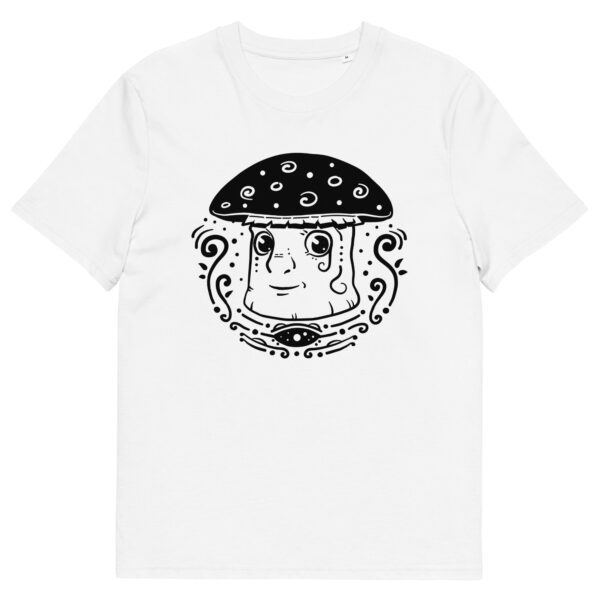
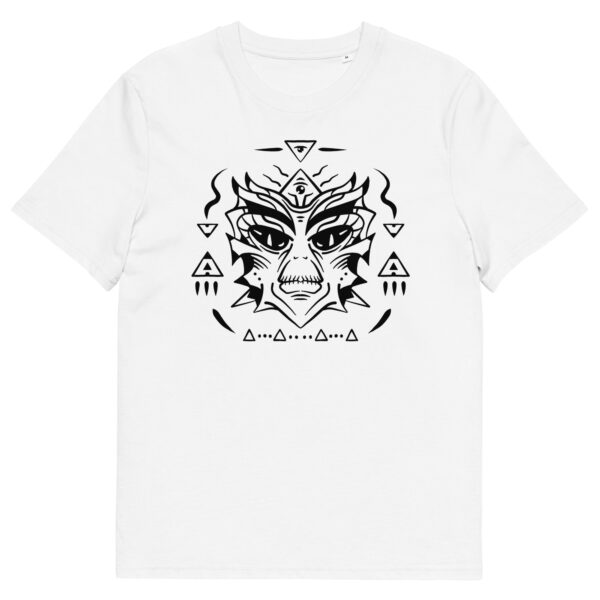
Examples of Artist T-Shirts By Sotuland
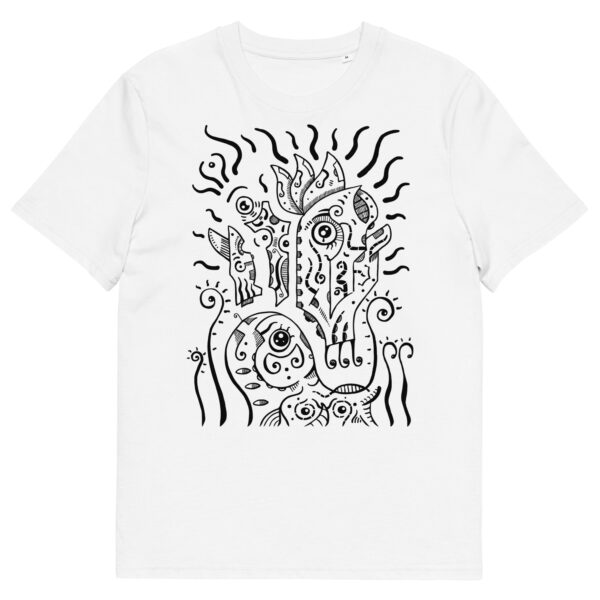
Artist T-Shirts and Wearable Art
Artist-designed shirts are part of a wider concept known as wearable art. In this approach, clothing functions as a surface for illustration rather than branding.
This allows the same visual language to move across posters, prints, and clothing while maintaining a consistent identity.
You can explore this direction here:
Artist T-Shirts and Personal Expression
One of the main reasons people choose artist t-shirts is personal expression.
A symbolic or surreal design can reflect mood, identity, or perspective in a way that logos cannot. It allows the wearer to connect with the image rather than simply display a brand.
If you want to explore more designs:
And for deeper context:
Artist T-Shirts: Independent Illustration on Clothing
Conclusion
The difference between logos and artist-designed shirts is a difference in intention. Logos represent brands. Artist t-shirts represent images, ideas, and visual identity.
For people drawn to lowbrow art, surreal illustration, and symbolic imagery, this distinction matters. It allows clothing to function as more than fashion and become a medium for expression.
Instead of wearing a name, they are wearing an image.